Ground segment
Mission control, ground stations, cloud backends. The shortest path to your satellite.
Next: telecommand monitoring for NIS2

Space cybersecurity for New Space: architecture analysis, security engineering and testing for ground segment, TT&C link and spacecraft. You fix the gaps on the ground, not in orbit.
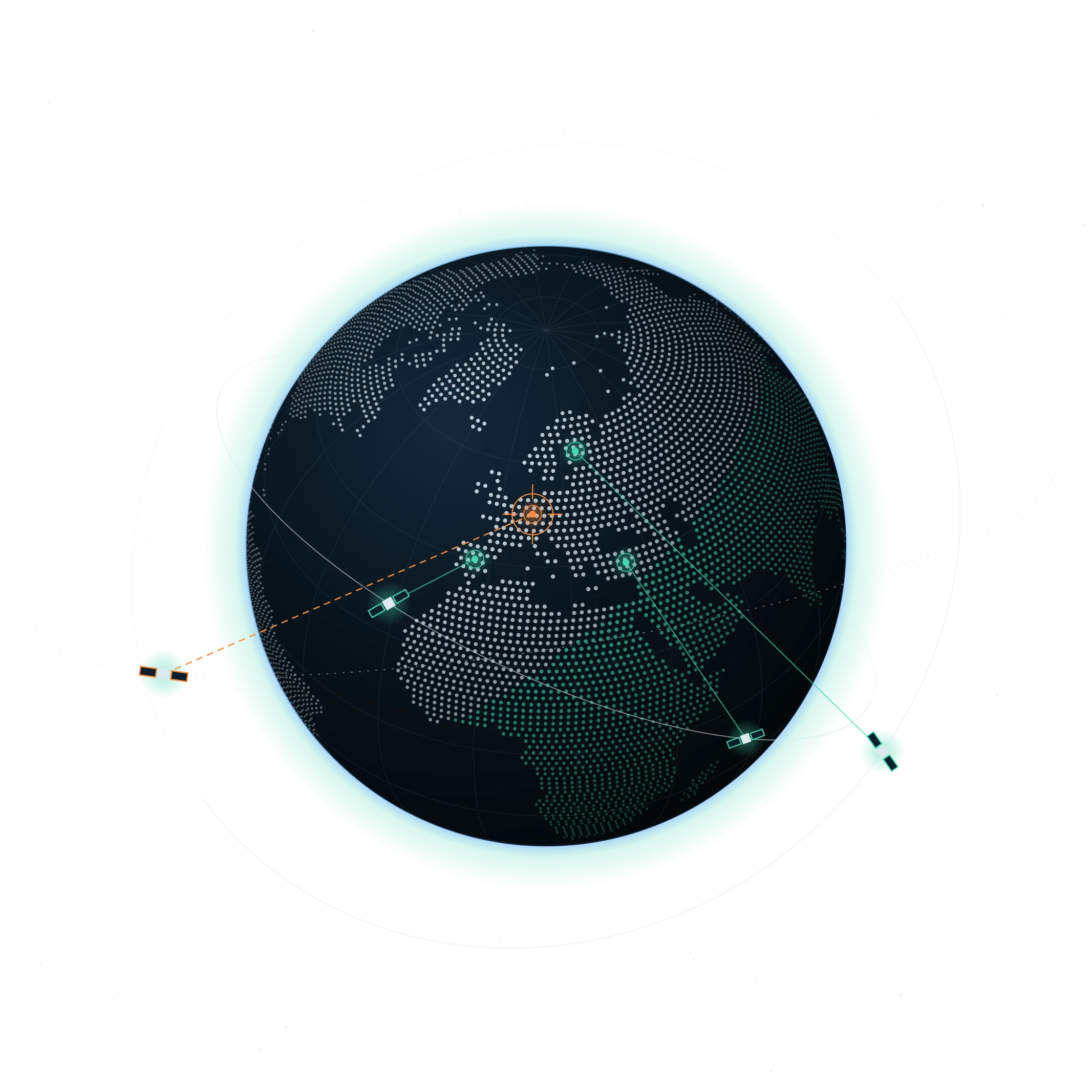
February 2022: attackers entered a satellite operator's management network through a misconfigured VPN and knocked tens of thousands of customer modems across Europe off the network. 5,800 wind turbines in Germany lost remote monitoring. The satellite itself was never touched.
Mission control, ground stations, cloud backends. The shortest path to your satellite.
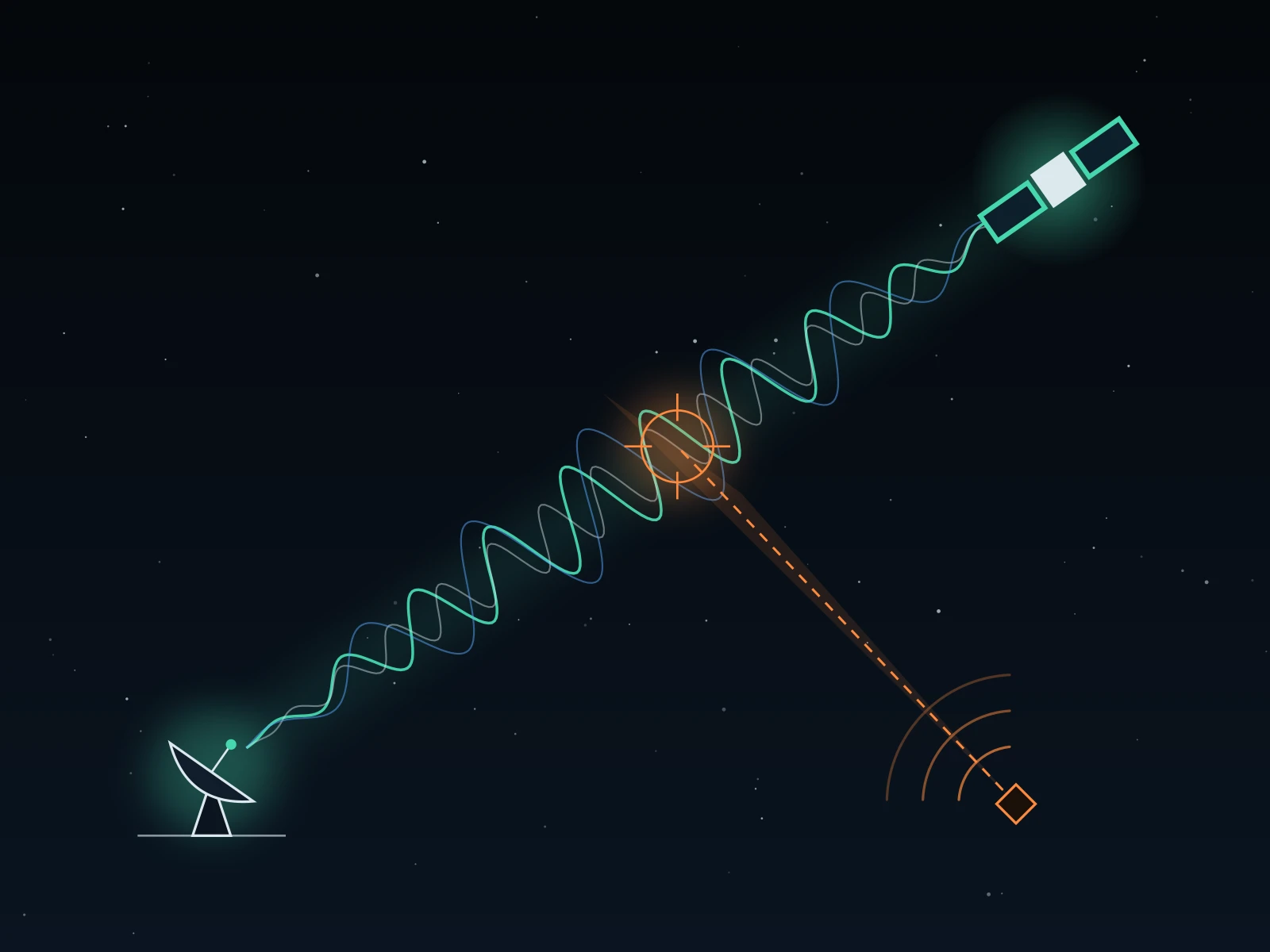
Telecommand, telemetry, payload data. We test authentication, anti-replay and the fallback modes nobody documents. Including SDLS (CCSDS 355.0-B) command authentication.
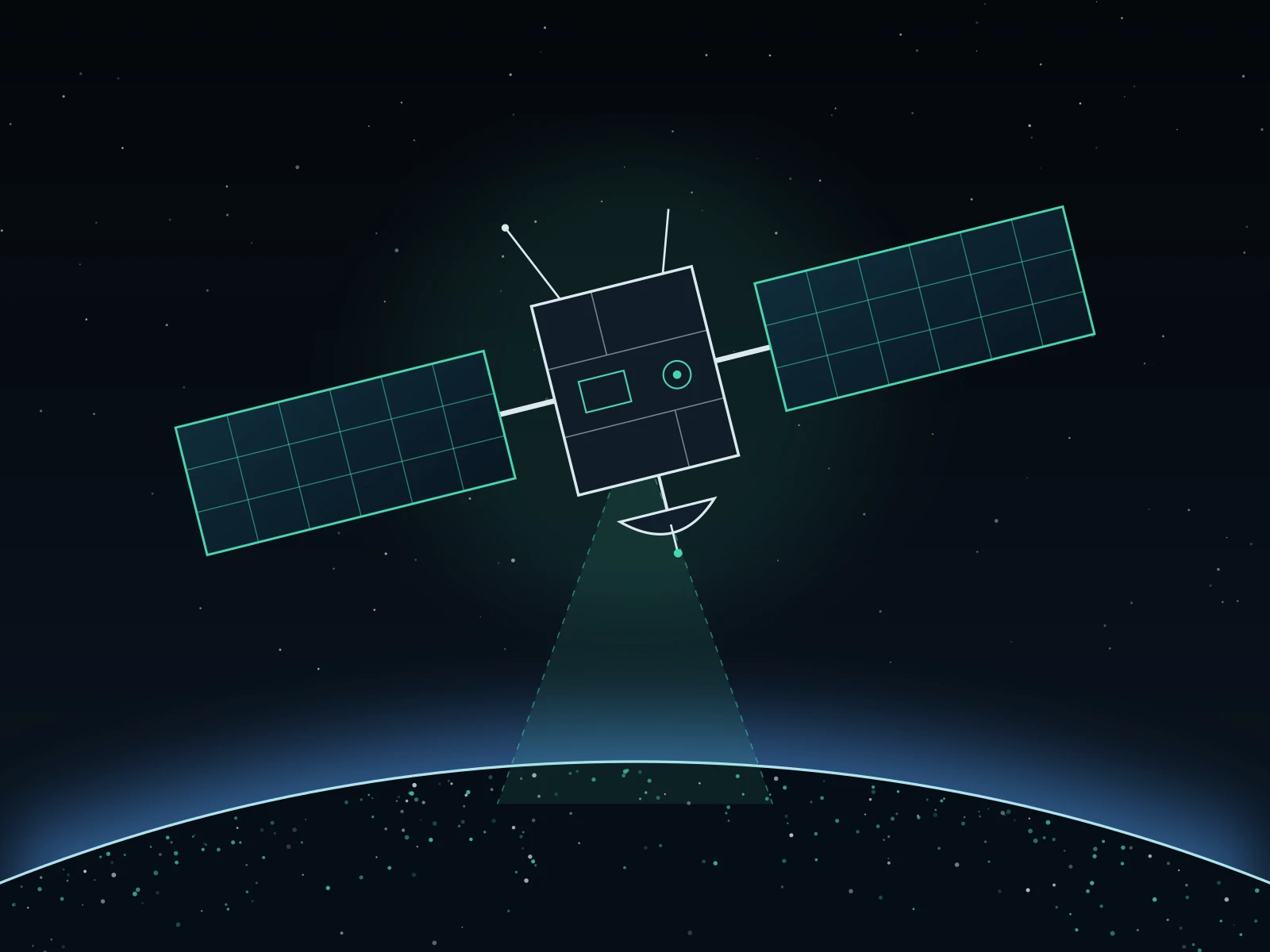
On-board computer, flight software, payload interfaces. We test what a rogue payload or a valid but malicious command can do. No patch day after launch. We help build in secure boot, signed updates and key handling.
OSINT and attack-surface mapping. You see what an attacker sees from outside.
Attack paths, ranked by mission impact. One page for management, one for engineers.
Hands-on attacks on ground systems, links and interfaces. Agreed scope, no surprises.
Findings your engineers can act on. We help implement the fixes, map the evidence to CRA Annex I and retest before you launch.
Before your design review, we map how an attacker reaches your mission: ground, link, spacecraft. You get ranked attack paths, security requirements your engineers can build, and evidence for auditors. Mapped to ECSS-E-ST-80C, BSI TR-03184, SPARTA and NIST IR 8270.
Bring your architectureSpace-specific threats for your mission: SPARTA techniques, jamming and spoofing activity, known flaws in shared flight and ground software. We turn them into requirements and test cases, not into reports nobody reads.
Ask for a threat briefWe build the controls into your product with your team: secure boot, signed updates, key handling and SDLS (CCSDS 355.0-B) command authentication. Security your engineers own after we leave.
See what the CRA expectsGround segment, TT&C interfaces and your flatsat. We attack the mission as a real adversary would, inside an agreed scope. Then we retest your fixes before launch.
See what we testCommand parsers, telecommand handlers and onboard interfaces, fed with millions of malformed inputs on your flatsat or engineering model. We find the crash before an attacker finds the exploit.
See the scopeNIS2, Cyber Resilience Act, ECSS-E-ST-80C, BSI TR-03184. We map the engineering work to the evidence your customers and auditors ask for, done once, used everywhere.
CRA for space subsystemsSatellite operators, ground station providers, launch and payload startups. And subsystem makers: propulsion, OBC, power, SDR.
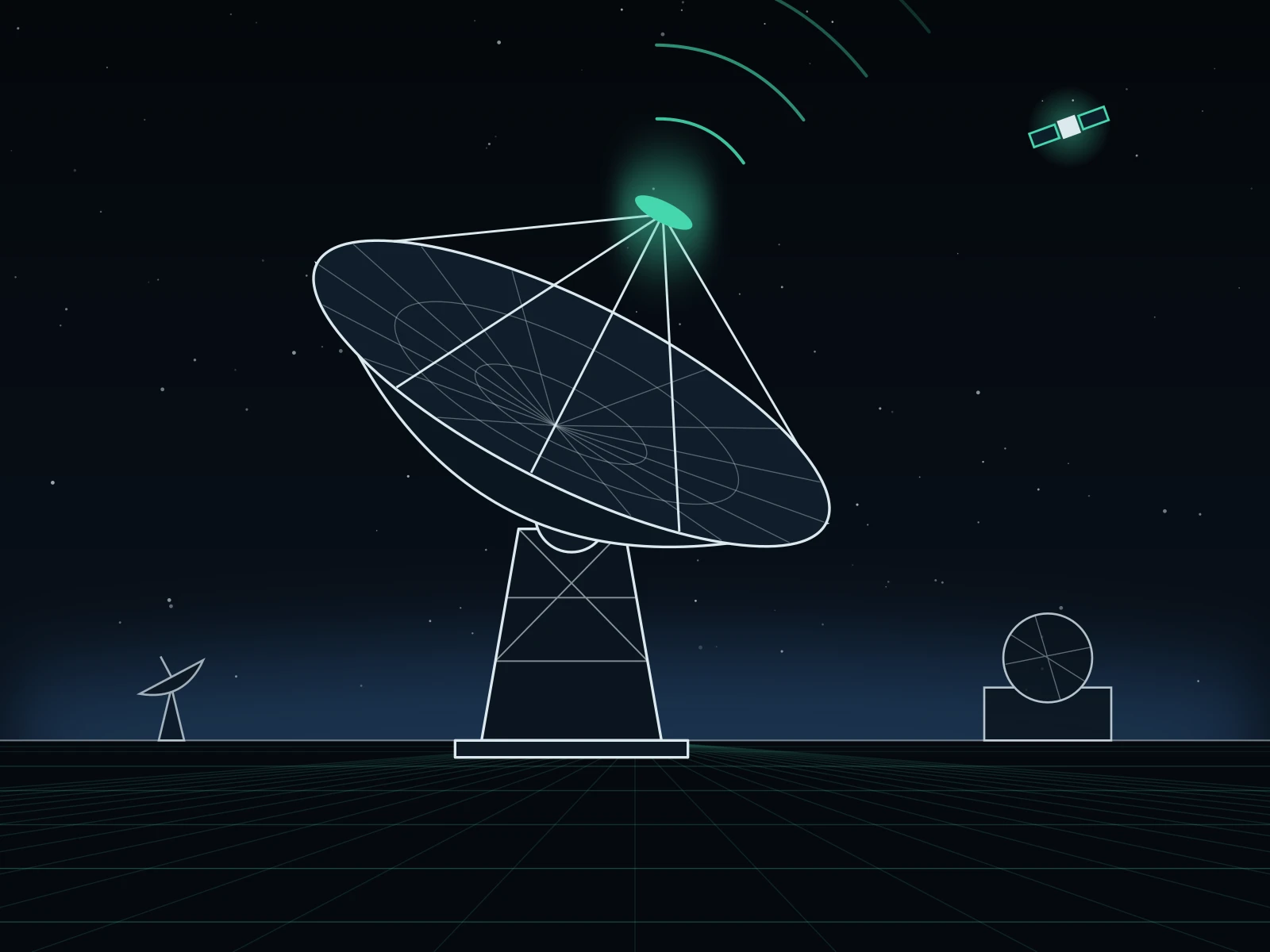
A ground station is a control system. Same weaknesses, same attack paths.
Embedded computers on a data bus. A spacecraft is built the same way.
Not in space? We apply the same method to plants, machines and vehicles. Industrial & Automotive
Founded by Ismail Özer. 11 years in the field, focus on offensive security. We find the way in before someone else does.
NIS2 already lists space as a sector of high criticality. On 19 November 2026 the Parliament's industry committee voted to handle space cybersecurity under NIS2 instead of a separate EU Space Act regime. The final text comes out of the trilogue. For products with firmware, the Cyber Resilience Act applies: reporting since 11 September 2026, full requirements from 11 December 2027. Suppliers inherit all of it through contracts.
CRA for space subsystems EU Space Act: status after the voteNo. Attackers go around the crypto: ground keys, safe modes, legacy satellites.
We test on your flatsat or engineering model. Same flaws, zero mission risk.
Threat analysis before your design review. Pentest once flatsat and ground are integrated.